For many years, it’s been widely believed that “dogs are pack animals.” Many owners have wondered: Why are dogs pack animals? This concept of pack life has often shaped how we train dogs, manage their social lives, and even explain their behavior with humans and other dogs. But how accurate is this belief in light of current canine behavior science? And what does it mean for how we help our pets live their best lives?
Let’s explore whether the pack animal label fits our modern dogs and see how understanding their actual social needs can support their health and happiness.
The Origins of the Pack Animal Myth
The belief that dogs are inherently pack animals began with early observations of wild wolf packs. These packs are typically made up of an alpha breeding pair, their offspring, and sometimes other pack members—usually up to ten wolves. These packs cooperate to hunt, protect territory, and raise pups, relying on strong social bonds and communication.
However, dominance and “alpha dog” training came from studies of captive wolf packs, where unrelated individuals were kept together in artificial environments. In these unnatural groups, social conflict, often mistaken as dominance, was observed. Reflecting survival among strangers rather than normal wolf family dynamics. Unfortunately, this led to the widespread and often misguided application of “alpha” concepts to domestic and feral dogs.
What Recent Studies Reveal About Domestic Dogs
Recent research from the American Veterinary Society of Animal Behavior shows that dogs have highly adaptable social structures, shaped more by opportunity and environment than strict pack rules. Unlike the rigid hierarchy of wild wolf packs, domestic dogs form flexible relationships, responding to their surroundings and individual needs.
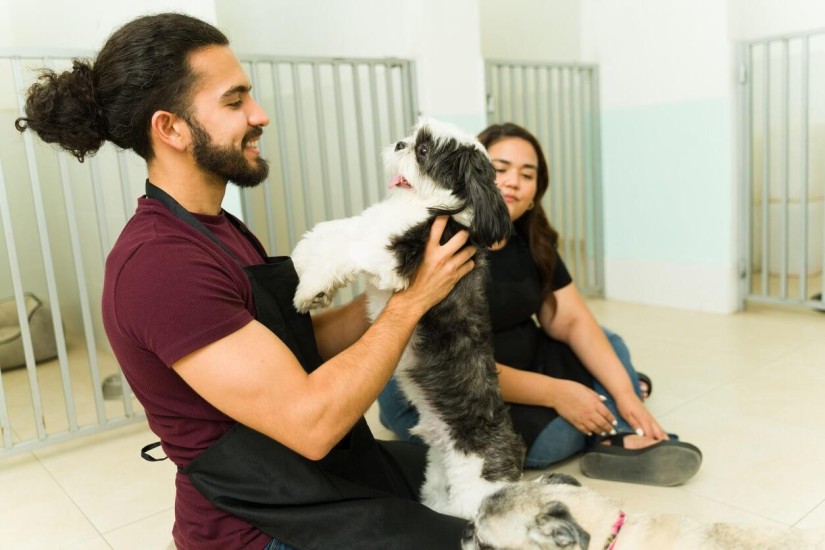
Dogs aren’t strict pack animals like wolves. They bond and socialize based on context, not dominance. At Central Bark, we embrace this natural flexibility with positive, personalized care, helping every dog feel secure and happy, whether on its own or with friends.
These insights challenge old “alpha dog” myths. Today, science-backed dog care focuses on positive reinforcement and understanding each dog’s unique personality, which is precisely what guides our approach at Central Bark.
Successful dog training and care now include:
● Observing Body Language for Signs of Stress, Comfort, or Engagement: Subtle cues—such as tail position, ear orientation, or relaxed posture—help owners and trainers respond appropriately to a dog’s needs and emotions.
● Rewarding Preferred Behaviors With Food, Play, or Affection: Positive reinforcement encourages dogs to repeat desired behaviors, while strengthening their bond with their human caretakers.
● Offering Clear Structure, Rest, and Enrichment That Matches Each Dog’s Needs: A consistent routine and opportunities for mental and physical stimulation help dogs feel secure and prevent unwanted behaviors.
● Focusing on Relationship and Trust to Reinforce Training Outcomes: Building mutual trust creates a partnership where dogs feel safe and are eager to learn, making training more effective and rewarding for both parties.
Research shows that abandoning dominance-based methods reduces anxiety and aggression, ultimately creating happier, healthier, and more well-adjusted dogs.
Social Structure in Dogs: Family, Groups, and Individuals
How dogs relate socially is influenced by their background, environment, and unique personalities. While their ancestors, the wolves, demonstrated tightly woven, family-based packs in the wild, domestic dogs display a remarkable variety of social choices. Some dogs thrive in households with humans and other animals, while others may enjoy the company of a select few.
Understanding these differences can help us respect and support the individual needs of our pets.
● Wolf Family Packs: In natural wolf packs, the core group consists of a breeding pair (sometimes called the alpha pair), their pups, and sometimes siblings or offspring from previous years. This family unit sticks together for survival, hunting, raising offspring, and defending territory through strong, cooperative bonds.
● Domestic Dogs and Human Families: Most domestic dogs today live in a human household, forming strong bonds with people and other pets. They depend on their owners for food, security, and social interaction, which replaces the tightly organized group dynamic found in wild wolf packs.
● Feral and Village Dog Groups: Some free-roaming and feral dogs form loose, often temporary groups. These groups form primarily around opportunities such as available food, or breeding, and lack the rigid hierarchy often seen in wild wolves.
● Flexible Social Bonds: Dogs are highly adaptable in their social preferences. Social behaviors can range from developing close bonds with other animals, seeking out human companionship, or forming unique friendships with other dogs. Because of this flexibility, there is no universal “pack rule” that fits all canines—each dog’s social structure is unique.
Healthy Socialization: Quality Over Quantity
Dogs, like people, have individual social needs—dogs in packs are happiest with a wide circle of friends, while others prefer quiet companionship or solitude. Contrary to the myth that all canines thrive in a large group, dogs benefit most from safe, comfortable, and positive social experiences tailored to their personalities. By focusing on quality rather than quantity, owners can help their dogs build confidence, reduce stress, and enjoy meaningful interactions.
Understanding what healthy socialization looks like is key to fostering both happiness and good behavior.
● Read Body Language for Comfort: Watch for relaxed posture, play bows, soft eyes, or wiggly tails as signs your dog is at ease. Noticing subtle cues of stress or discomfort—such as tucked tails, yawning, or lip licking—helps you adjust social experiences to keep your dog feeling safe.
● Prioritize Rest and Recovery: Socializing can be tiring, especially for dogs new to group play or naturally reserved. Be sure your dog has opportunities to rest and decompress in a quiet space where they feel secure after active interactions.
● Go Slow with New Experiences: Introduce your dog gradually to new dogs, people, or environments. Short, positive exposures can help your pet gain confidence and learn to enjoy new situations at their own pace, minimizing anxiety or overwhelm.
● Choose Positive, Supervised Environments: Look for play groups, daycare centers, or trainers who use positive reinforcement and have a reputation for gentle, science-backed methods. Skilled supervision ensures safe, fun play and helps prevent negative experiences that could set back your dog’s social growth.
Signs of Healthy vs. Unhealthy Social Interaction
Recognizing the difference between positive and negative social interactions is essential for supporting your dog’s confidence and happiness around others. Healthy canine interactions are characterized by relaxed, playful body language and mutual respect, while negative encounters may show signs of stress, aggression, or overwhelm.
Understanding these cues allows you to step in when needed and create safer, more enjoyable environments for your dog.
● Healthy Social Behaviors: Play bows, wiggly tails, gentle mouthing, relaxed body posture, taking turns during play, and brief pauses that allow both dogs to check in with each other are signs of comfort. Friendly vocalizations and mutual sniffing are also signs of comfort.
● Unhealthy or Stressful Interactions: Prolonged staring, stiff posture, tucked tails, raised hackles, lip licking, excessive mounting, or one dog repeatedly pinning or chasing another may indicate fear or discomfort. Growling, snapping, and avoidance behaviors (hiding behind you or moving away) may also indicate fear or discomfort.
● When to Intervene: Step in calmly if play escalates if one dog tries to escape but can’t, or if your dog shows repeated stress signals. Always prioritize safety and be ready to separate dogs if an interaction doesn’t feel right.
Common Questions About Pack Life and Dog Behavior
Does my dog need a pack to thrive?
Not all dogs form packs or thrive in large family groups. Many find comfort in bonds with a handful of family members (human or canine). Respect your pet’s unique personality and social needs.
What about “dominant” behavior?
True “dominance” in dogs is often misunderstood. It may reflect anxiety, lack of clear communication, or unmet needs.
Why do some dogs seem anxious around groups?
Dogs may feel anxious if separated from familiar companions or placed in groups that don’t match their play style, gender, age, or comfort level. Gradual introductions and observing canine body language will help build confidence and reduce stress.
How do puppies learn from other animals?
Puppies learn appropriate behavior by observing and interacting with canine parents, older siblings, and other animals. Both play and gentle corrections help teach important life skills, such as reading body language, self-control, and healthy social structure.
Give Your Dog the Best: Modern Socialization and Positive Training For Pets
Modern canine science shows that dogs thrive through compassionate care, positive social experiences, and relationship-based training—not outdated dominance myths. While wild wolves rely on family packs, today’s dogs form close bonds with people and pets in all kinds of families, benefiting from environments that respect their individuality and needs.
Central Bark puts these insights into action with safe playgroups, enrichment, and professional, positive dog training. Beyond socialization, keeping up with regular dog grooming rounds out your dog’s whole-body care routine. Contact us today to discover how our Whole Dog Care approach can help your dog live a happy, confident, and well-balanced life!