Summer can feel like freedom for dogs: longer walks, brighter evenings, more time outside, more chances for summer fun. But hot weather can turn risky fast. A dog that seems happy and energetic one minute can become overheated the next, especially during the hottest parts of the day.
That’s why thoughtful dog care tips for summer matter so much. Keeping dogs comfortable isn’t just about avoiding obvious danger. It’s about paying attention to how heat, humidity, pavement, exercise, and even grooming affect your pup’s body. When pet owners know what to watch for, it becomes much easier to keep your dog cool, protect your pet’s health, and enjoy the season safely.
Why summer heat is harder on dogs than many people realize
Dogs do not cool themselves the same way people do. Humans sweat over much of the body, but dogs rely mostly on panting and the sweat glands in their feet pads to release heat. That system works, but not nearly as efficiently as ours during hot weather or humid weather.
A dog’s normal body temperature already runs warmer than a human’s, so it doesn’t take much for things to tip in the wrong direction. Add direct sunlight, hot air, limited shade, and strenuous exercise, and your pooch’s body can struggle with dissipating heat. That is why even a short outing can become dangerous during the summer months.
Know which dogs face higher risk in warm weather
Not all dogs handle heat the same way. Some can tolerate warm weather better than others, but not all dogs have the same built-in protection. Puppies, elderly dogs, and dogs with heart or lung diseases are more vulnerable when temperatures climb.
Flat faced dogs such as Bulldogs, Pugs, and Boston Terriers often have the hardest time because their shortened airways make panting less effective. Dogs with dark colored coats may absorb more heat in direct sunlight, while double coated breeds can trap heat if their coat is not maintained properly. And even dogs that seem athletic can overdo it quickly in excessive heat.
Watch for the earliest warning signs of overheating
The first warning signs can be subtle. Your dog may slow down, seek shade, drool more than usual, or seem less interested in play. As overheating worsens, you may notice excessive panting, heavy panting, bright red gums, glassy eyes, weakness, vomiting, or stumbling.
If those symptoms progress, heat stroke becomes a real concern. Heat related illnesses can escalate quickly and may become a life threatening emergency. If your dog is showing severe distress, collapse, confusion, or trouble breathing, contact a veterinarian immediately. In serious cases, go to the nearest emergency clinic and call the vet immediately on the way.
Plan walks around the coolest parts of the day
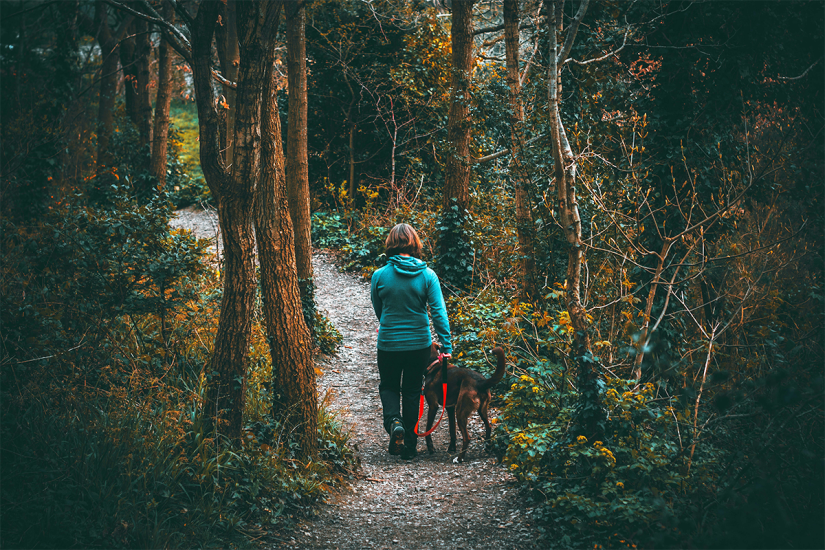
One of the simplest ways to keep your dog cool is to shift outdoor activities to safer times. Aim for walks in the early morning or during evening hours, when the sun is lower and surfaces have had time to cool down.
Avoid long outings during the hottest parts of the afternoon. Even if the air temperature seems manageable, the combination of hot pavement, direct sunlight, and humid weather can push dogs too far. Early summer can be especially deceptive because people are still getting used to the season and may underestimate how quickly a dog can overheat.
Protect your dog’s paws from burning surfaces
A sunny sidewalk can act like a skillet. Hot asphalt and hot pavement can burn a dog’s paws before many pet owners realize there is a problem. Sensitive paw pads are especially vulnerable, and dogs linger on heated surfaces more than we think while waiting at corners, sniffing, or standing still.
Before a walk, place the back of your hand on the pavement for several seconds. If it feels too hot for your skin, it is too hot for your dog’s paws. Stick to grass when possible, seek shaded areas, and consider dog booties for extra protection on unavoidable hot surfaces. Taking care of your pet’s paws is one of the most practical summer pet care tips you can follow.
Hydration is non-negotiable in summer
To keep your dog safe in warm weather, hydration has to be constant, not occasional. Dogs need fresh water available throughout the day, especially after walks, play sessions, and outdoor activities. At home, make sure your dog has constant access to clean bowls in cool spots.
When you leave the house, carry water with you. A collapsible bowl and a bottle of cool water can make a big difference on walks, hikes, and car rides. Fresh water helps regulate body temperature and supports recovery after activity. Some dogs enjoy ice cubes in their water bowl, and for many pups that can be a simple way to make hydration more appealing.
Create cooler outdoor routines, not just shorter ones
In summer, exercise still matters, but the style of exercise often needs to change. To keep your dog cool, swap high-intensity games for gentler activities. A short sniff walk at sunrise may be safer than a long midday fetch session. Training games in the shade may be better than nonstop running.
Strenuous exercise should be limited when temperatures rise, especially during the hottest parts of the day. If your dog regularly enjoys active play, scale back intensity in hot weather and build in more breaks. Think of summer movement less like a sprint and more like interval training with rest, shade, and water built in.
Shade matters, but shade alone is not enough
Shaded areas help, but they do not erase the risk of extreme heat. A yard with a tree may feel cooler than open sun, yet dogs can still overheat if the air is still, humid, or simply too warm. Shade reduces direct sunlight, but it does not magically lower the surrounding temperature enough to make every dog safe.
If your dog spends time outdoors, combine shaded areas with fresh water, shorter sessions, and close supervision. Never assume a dog is fine just because they are not standing in the sun. Warm weather can sneak up on furry companions the same way a closed porch can feel stuffy long before it feels unbearable to us.
Use cooling tools the smart way
There are several safe ways to help pets cool down. A cooling mat can give your dog a comfortable place to rest after being outside. A damp towel placed over the body, especially around the torso or paws, can help lower heat exposure gradually.
The key is moderation. Avoid shocking an overheated dog with very cold water, because sudden temperature swings can create more stress. Offer cool water instead of icy water, move your pup into shade or air conditioned spaces, and let cooling happen steadily. If needed, air conditioned rooms or air conditioning in the car and home can provide quick relief after time outside.
Water play can help, with supervision
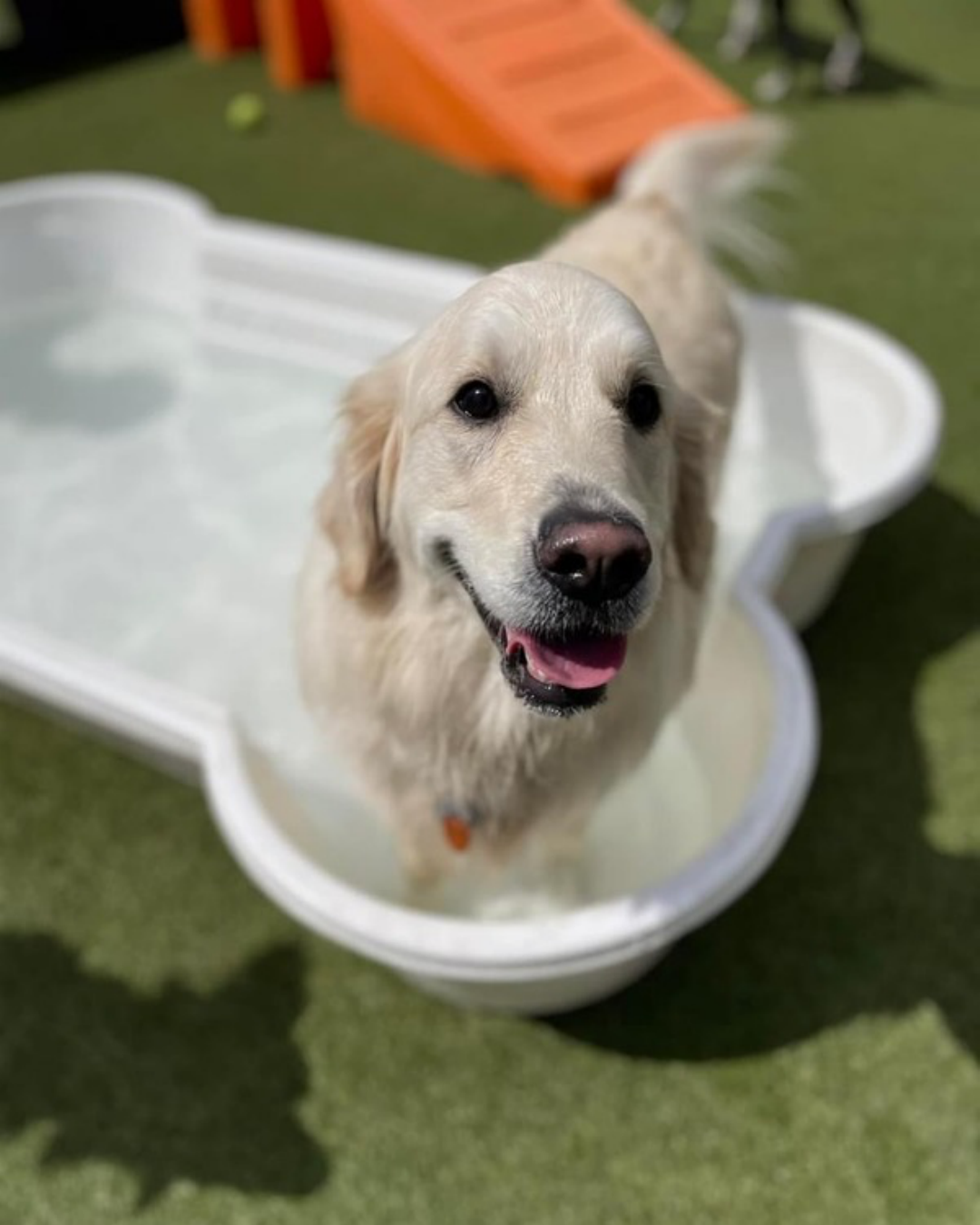
Many dogs enjoy water in summer, and some are natural swimmers, but do not assume every pup knows what to do around water. A kiddie pool in the yard can be a fun, low-pressure way to help pets cool while letting them splash on their own terms.
For lake days, boating, or deeper water, use a life vest, especially for puppies, seniors, and breeds that tire easily. Even natural swimmers can struggle in heat or become fatigued faster than expected. Never leave pets unsupervised near pools, ponds, or shorelines, and never leave pets in backyard water setups without watching them.
Grooming plays a real role in heat management
A healthy coat helps with temperature regulation, but neglected fur can make summer harder. Mats, tangles, and packed undercoat can trap heat close to the skin’s surface, reducing airflow and making it harder for dogs to stay comfortable.
Regular brushing helps remove loose fur and supports better air circulation through the dog’s coat. For some breeds, especially double coated breeds, shaving is not always the best answer. The coat can actually provide insulation from heat and sun when maintained properly. If you are unsure what grooming approach is best, ask a professional groomer or your veterinarian.
Cars become dangerous faster than people expect
A hot car is one of the biggest summer risks for dogs. Even on a day that does not feel brutal, the temperature inside a vehicle can climb rapidly. A parked car acts like an oven, trapping heat and turning a quick errand into a dangerous situation.
Never leave your dog in a parked car, even with windows cracked. The temperature inside rises fast, and a dog can go from uncomfortable to distressed in minutes. Never leave your dog waiting while you “just run in.” It is not worth the risk. As a rule, never leave pets in vehicles during summer unless the car is running with reliable air conditioning and a responsible adult is staying with them.
Indoor comfort counts too
Keeping dogs safe in summer is not only about what happens outside. Indoor spaces can also become too warm, especially in homes without steady cooling. Air conditioning is one of the easiest ways to keep your dog comfortable during heat waves, but if you do not have it, use fans alongside ventilation and cooler resting areas.
Set up a quiet place away from direct sunlight where your dog can stretch out and rest. Tile floors, a cooling mat, or a damp towel can help. Some dogs naturally seek the coolest room in the house, so pay attention to where your dog loves to settle when the day heats up.
Adjust food, rest, and play during hotter weeks
Many dogs become less interested in intense play during very hot stretches, and that is normal. Let your dog set a more relaxed pace. Build in more downtime after walks, and avoid stacking too many outdoor activities into one day.
You can also shift enrichment indoors when the weather is rough. Puzzle toys, short training sessions, scent games, and supervised social time can keep furry friends mentally engaged without adding unnecessary physical strain. To keep your dog happy in summer, think beyond exercise alone. Enrichment, rest, and routine matter just as much.
What to do if your dog overheats
If you suspect overheating, move your dog to a cooler area immediately. Offer cool water in small amounts, apply a damp towel, and get them out of direct sunlight. Focus on lowering body temperature gradually rather than using cold water aggressively.
Then call your veterinarian immediately for guidance. If symptoms are severe, this may be a life threatening emergency requiring urgent treatment. Heat stroke is not something to “wait out.” If your dog is weak, disoriented, vomiting, or struggling to breathe, seek care right away and head to the clinic.
Summer safety for social dogs and busy families
For many pet owners, summer schedules get messy. Vacation plans, kids home from school, outdoor gatherings, and shifting workdays can all throw off a dog’s routine. That disruption can lead to overexertion, missed water breaks, or too much time outside.
A consistent plan helps keep your dog safe. Schedule walks in the early morning, keep water stations filled, and make sure your dog has a cool place to rest during the day. If your pup thrives on activity and socialization, structured care in a supervised environment can also help prevent the kind of random, overheated chaos that summer sometimes brings.
A simple checklist to keep your dog cool all season
The best approach is not complicated. Keep your dog cool by walking earlier, limiting strenuous exercise in hot weather, checking surfaces before every walk, and making sure your pup always has access to fresh water and shade.
Just as important, stay alert. Watch for warning signs, protect your dog’s paws, avoid a hot car at all costs, and be realistic about your dog’s limits. Summer should still be fun for furry friends and furry companions alike, but safety has to come first.
Final thoughts on safe, happy summer days
Summer with dogs can be wonderful. There are porch naps, splashy paws, golden-evening walks, and that familiar look of pure joy when a happy dog catches a breeze out the window. But heat changes the rules. What feels pleasant to us can be exhausting or dangerous for them.
When pet owners understand how to keep your dog cool, the season becomes easier to enjoy. A little planning goes a long way: cooler walk times, safer pavement choices, smarter hydration, and quick action when something feels off. Keep your dog comfortable, stay aware during excessive heat, and your family can enjoy the summer months with a lot more confidence and a lot less risk.