

February is Pet Dental Health Month, a national awareness initiative led by veterinary organizations to highlight the importance of dental care for pets.
At Central Bark Aurora-Fox Valley, we love seeing dogs playing, resting, socializing, and being their full goofy selves. But one thing we’ve learned over the years is that when a dog’s mouth hurts, it often shows up in their behavior long before it shows up in a vet visit.
In honor of Pet Dental Health Month, let’s talk about why dental health matters, what to watch for, and a few realistic ways you can support your dog’s overall wellness.
Dental disease in dogs is common and often invisible
According to veterinarians, most dogs show signs of dental disease by age three. This can include plaque buildup, tartar, gum inflammation, and even infection.
Bad breath is often the first sign of dental problems that pet parents notice, but dogs are incredibly good at hiding pain. This means dental concerns can fester. Left untreated, dental disease in dogs may lead to:
- Changes in appetite, energy levels, and behavior
- Chronic pain and tooth loss
- Infections that can impact the heart, liver, and kidneys
Pet Dental Health Month is a reminder that dog dental care isn’t cosmetic — it’s essential to your pup’s long-term health.
How dental discomfort can affect your dog’s behavior
Because we work with dogs in a group daycare setting, we sometimes notice subtle changes that can point to discomfort, including oral pain.
Dental issues in dogs may show up as:
- Irritability or shorter patience with other dogs
- Less enthusiasm for play
- Reluctance to chew toys or treats
- Dropping food or chewing on one side
- Pawing at the mouth or excessive drooling

These changes don’t always indicate a dental issue — but they are signs worth paying attention to and discussing with your veterinarian.
Simple ways to support your dog’s dental health
You don’t need to be perfect (or brush every single day) to make a positive impact. A few consistent habits can go a long way when it comes to dental care for dogs:
1. Brushing (when possible)
Even brushing just a few times a week helps reduce plaque buildup. Always use dog-safe toothpaste — never human toothpaste.
2. Vet-approved dental chews
Look for products approved by the Veterinary Oral Health Council (VOHC), which are designed to help reduce plaque and tartar safely.
3. Regular veterinary dental checkups
Annual wellness exams should always include a look at your dog’s teeth and gums. Your vet can help determine when a professional dental cleaning is needed.
4. Professional teeth cleaning as part of grooming
Routine teeth cleaning can help manage surface buildup and support fresher breath, especially when paired with good at-home habits.
Dental health is part of whole-dog wellness
At Central Bark, we believe great dog care is about the whole dog: physical activity, mental stimulation, socialization, rest — and pet health essentials like dental care.
Our team sees dogs often enough to notice changes in energy or behavior, and we always encourage pet parents to follow up with their veterinarian when something seems off. We’re not here to diagnose — just to support you with another set of caring eyes on your pup.
Pet Dental Health Month special: 20% off teeth cleaning
To support Pet Dental Health Month, for the month of February when you bring your dog in for grooming, add professional teeth cleaning for 20% off.
This promotion is a simple way to:
- Support your dog’s dental health routine
- Help manage plaque and tartar buildup
- Keep those kisses a little fresher
If you have questions about whether teeth cleaning is a good fit for your dog, our team is happy to talk it through.
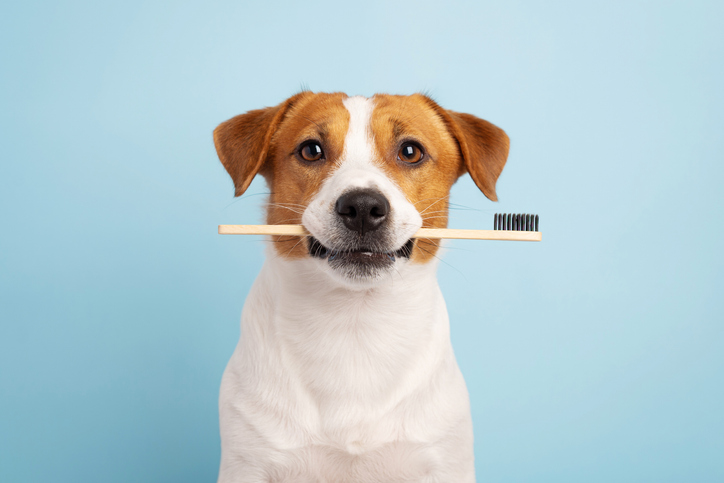
A healthy smile supports a happy, playful dog
Dental health might not be the most glamorous part of dog care, but it plays a bigger role than many pet parents realize.
This February, in honor of Pet Dental Health Month, we encourage you to take a quick look (and sniff!) at your dog’s mouth, talk with your vet if you notice changes, and make dental care part of your dog’s overall wellness routine.
Your dog’s smile — and their comfort — are worth it.