
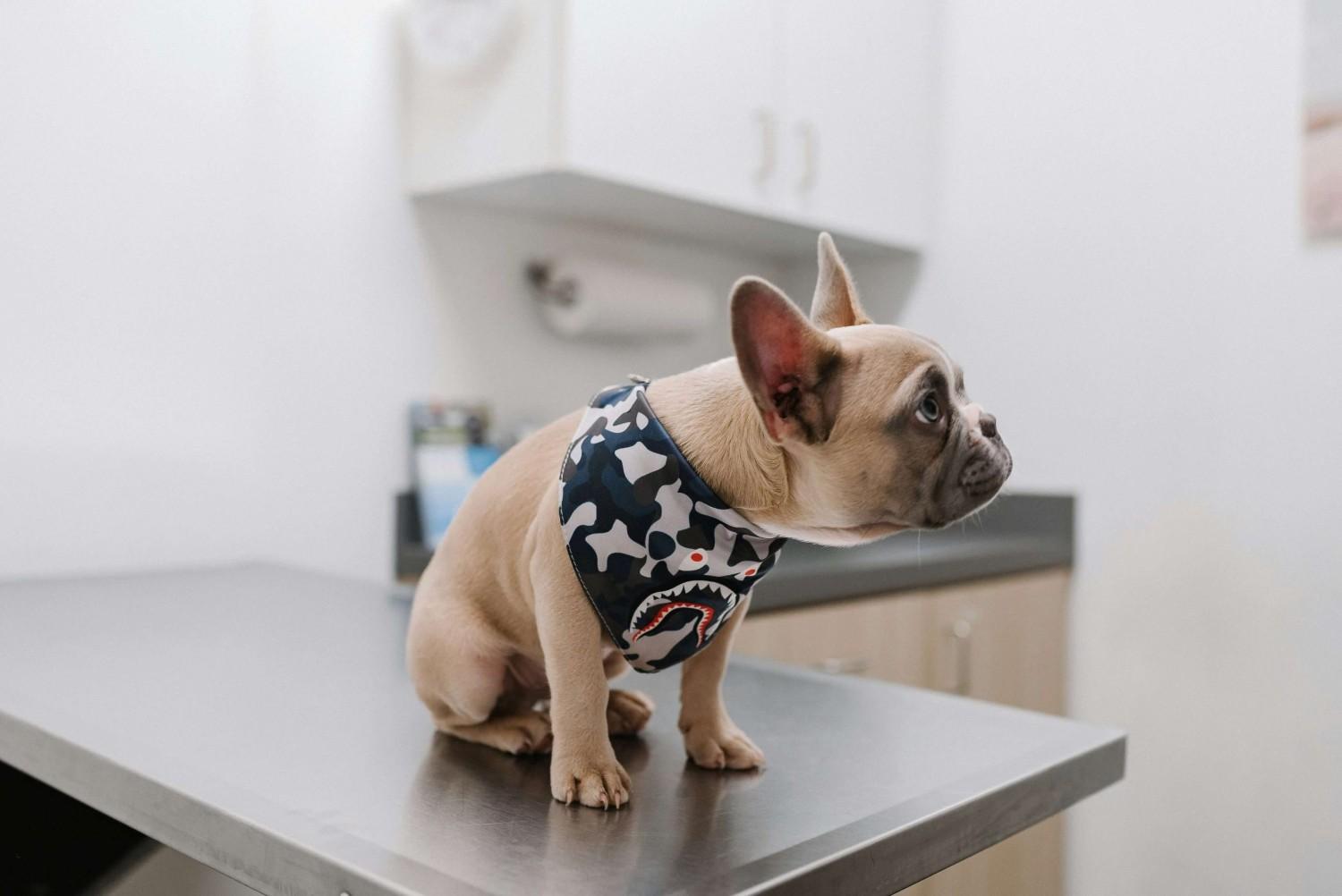
Have you ever looked at your pup and wondered about their ancestry? Maybe you adopted a lovable mutt from a shelter and can’t help but guess which breeds contributed to those floppy ears or that spotted coat. Or perhaps you’re curious about potential health concerns that could be hiding in your dog’s genetic makeup. Dog DNA tests have become increasingly popular tools for pet parents seeking answers about their four-legged family members.
Understanding how these tests work can help you decide if one is right for your dog and what to expect from the results. Let’s explore the science behind dog DNA testing and how it reveals the secrets hidden in your pup’s genes.
The Basics of Dog DNA Testing
Dog DNA tests analyze your pet’s genetic material to determine breed composition and, in some cases, identify potential health markers. The process starts with a simple cheek swab that collects saliva from inside your dog’s mouth. This saliva contains cells packed with DNA, the genetic blueprint that makes your dog unique, from their wet nose to their wagging tail.
After you register your test kit online and collect the sample, you mail it to a laboratory where scientists extract and analyze the DNA. The entire process typically takes several weeks, as the lab needs time to carefully process and compare your dog’s genetic information against extensive breed databases.
What’s Actually Happening in the Lab?
When your dog’s sample arrives at the lab, technicians begin the detailed work of unlocking the genetic information stored in those saliva cells. The DNA lives in the nucleus of each cell, tightly wound into structures called chromosomes. A single cell contains roughly 1.5 gigabytes of genetic data, multiply that by the millions of cells in a sample, and you’re looking at an enormous amount of information.
The chromosomes contain genes made up of four chemical bases represented by the letters A, T, C, and G. These bases combine in specific sequences to create your dog’s genetic code. Scientists separate the DNA from other cellular components and make millions of copies so they can analyze it more accurately. This amplification process is crucial because it allows researchers to examine tiny genetic variations that distinguish one breed from another.
Once the DNA is prepared, laboratory equipment reads the sequences of these bases. The lab then compares your dog’s unique genetic code with the codes of dogs with known ancestry in their reference database. This comparison reveals which breeds contributed to your dog’s heritage and in what proportions.
How Breed Identification Works
Different dog breeds have distinct genetic markers, specific patterns in their DNA that act like genetic fingerprints. When scientists analyze your dog’s DNA, they’re looking for these breed-specific markers and calculating how much of your dog’s genome matches each breed in their database.
For purebred dogs, the results should show 100% of a single breed. For mixed-breed dogs, the test breaks down the percentages of each breed that contributed to your pup’s ancestry. Some tests can trace heritage back several generations, showing not just parent breeds but grandparent breeds as well.
The accuracy of these breed identifications depends heavily on the size and quality of the testing company’s reference database. Companies with larger databases of breed samples can make more accurate comparisons and identify a wider variety of breeds. This is why different testing companies might give slightly different results for the same dog, they’re comparing your pup’s DNA against different reference populations.
What Can DNA Tests Tell You About Your Dog?
Beyond breed identification, many dog DNA tests now offer insights into other genetic traits. Some tests can predict physical characteristics like coat color, coat type, body size, and even ear shape. These traits are controlled by specific genes, and tests can identify which versions of these genes your dog carries.
Health screening is another valuable component of comprehensive dog DNA tests. These tests can identify genetic markers associated with various health conditions, from hip dysplasia to progressive retinal atrophy. Knowing your dog carries genes for certain conditions doesn’t mean they’ll definitely develop those problems, but it gives you and your veterinarian important information for preventive care and monitoring.
Some tests also look at traits related to behavior and personality, though the reliability of these results regarding your dog’s behavior should be taken with a grain of salt. Genetics plays a powerful role in temperaments, but so too do environmental factors. Individual experiences like learning history, puppyhood socialization, trauma, epigenetics, physical health, and psychological stress will all play a role in shaping your dog’s behavior and personality.
The Importance of Choosing a Reputable Testing Company
Not all dog DNA tests are created equal. Research has shown that some direct-to-consumer testing companies produce inconsistent or questionable results. In studies where the same purebred dog’s DNA was sent to multiple companies, some tests failed to correctly identify the dog’s breed, even suggesting breeds that were nowhere in the dog’s ancestry.
When selecting a DNA test for your dog, look for companies that are transparent about their testing methods and maintain large, scientifically validated reference databases. Reading reviews from other dog parents and checking whether the company publishes research or partners with veterinary institutions can help you identify trustworthy options.
Keep in mind that if you’re relying on DNA test results for important decisions, like breed-specific insurance requirements or housing situations, accuracy matters significantly. Some cities and insurance companies have breed restrictions, so an incorrect test result could have real financial implications for your family.
What to Expect During the Testing Process
The actual sample collection is straightforward and stress-free for most dogs. The kit includes a swab that you rub against the inside of your dog’s cheek for 30-60 seconds to collect saliva. Some dogs tolerate this better after a meal when their mouths are already a bit wet, or if you offer treats and praise during the process.
Before swabbing, it’s best to wait at least an hour after your dog eats or drinks to ensure the sample isn’t contaminated with food particles. You’ll typically need to avoid petting or playing with other dogs right before swabbing as well, to prevent cross-contamination with DNA from other animals.
After collecting the sample, you’ll seal it in the provided container, register your kit using the unique identification code, and mail it back to the lab. The lab tracks your sample throughout the analysis using this ID code, and you’ll receive results through an online portal or app once the testing is complete.
Understanding Your Results
When your results arrive, take time to review them carefully. Breed percentages are usually the most straightforward section, you’ll see a breakdown of which breeds contributed to your dog’s genetic makeup and in what proportions. Some tests present this information several generations back, showing not just your dog’s likely parents but their grandparents and great-grandparents as well.
Health results require more careful interpretation. If the test identifies genetic markers for certain conditions, this doesn’t necessarily mean your dog will develop those problems. Many health conditions require multiple genetic factors plus environmental triggers to manifest. Think of these results as information to discuss with your veterinarian rather than definitive diagnoses.
Trait predictions can be fun to compare with your dog’s actual appearance and personality. You might discover the genetic reason behind your pup’s unusual coat color or understand why they’re smaller or larger than you expected based on their breed mix.
Making the Most of Your Dog’s DNA Information
Once you understand your dog’s genetic background, you can use this information to enhance their care. Knowing which breeds contributed to your pup’s heritage can guide decisions about exercise needs, training approaches, and socialization. A dog with herding breed ancestry might need more mental stimulation, while one with companion breed genetics might thrive on extra cuddle time.
Health screening results can help you and your veterinarian develop a proactive wellness plan. If your dog carries genetic markers for joint problems, for example, you might emphasize weight management and joint supplements early in life. If they’re predisposed to certain eye conditions, regular ophthalmology checkups become even more important.
At Central Bark, we know that every dog is unique, regardless of their breed mix or genetic background. Our Whole Dog Care approach focuses on treating each pup as an individual, with personalized attention to their specific needs and preferences. Whether your DNA test reveals a surprising mix of breeds or confirms what you suspected all along, understanding your dog’s genetic heritage is just one piece of the puzzle in providing them with the best possible care.
The Bottom Line on Dog DNA Tests
Dog DNA tests work by analyzing the genetic code found in your dog’s saliva, comparing it against databases of known breeds, and identifying genetic markers for traits and health conditions. While the science behind these tests is fascinating and the information can be valuable, it’s important to choose a reputable testing company and interpret results in consultation with your veterinarian.
These tests can satisfy your curiosity about your dog’s ancestry, provide useful health information, and deepen your understanding of what makes your pup special. But remember, whether your dog is a purebred or a magnificent mutt, what matters most is the love and care you provide. DNA tests are tools for learning more about your furry family member, but they don’t change the bond you share or the joy they bring to your life every single day.