Fireworks Safety & Boarding Tips for Dogs Before the Fourth of July
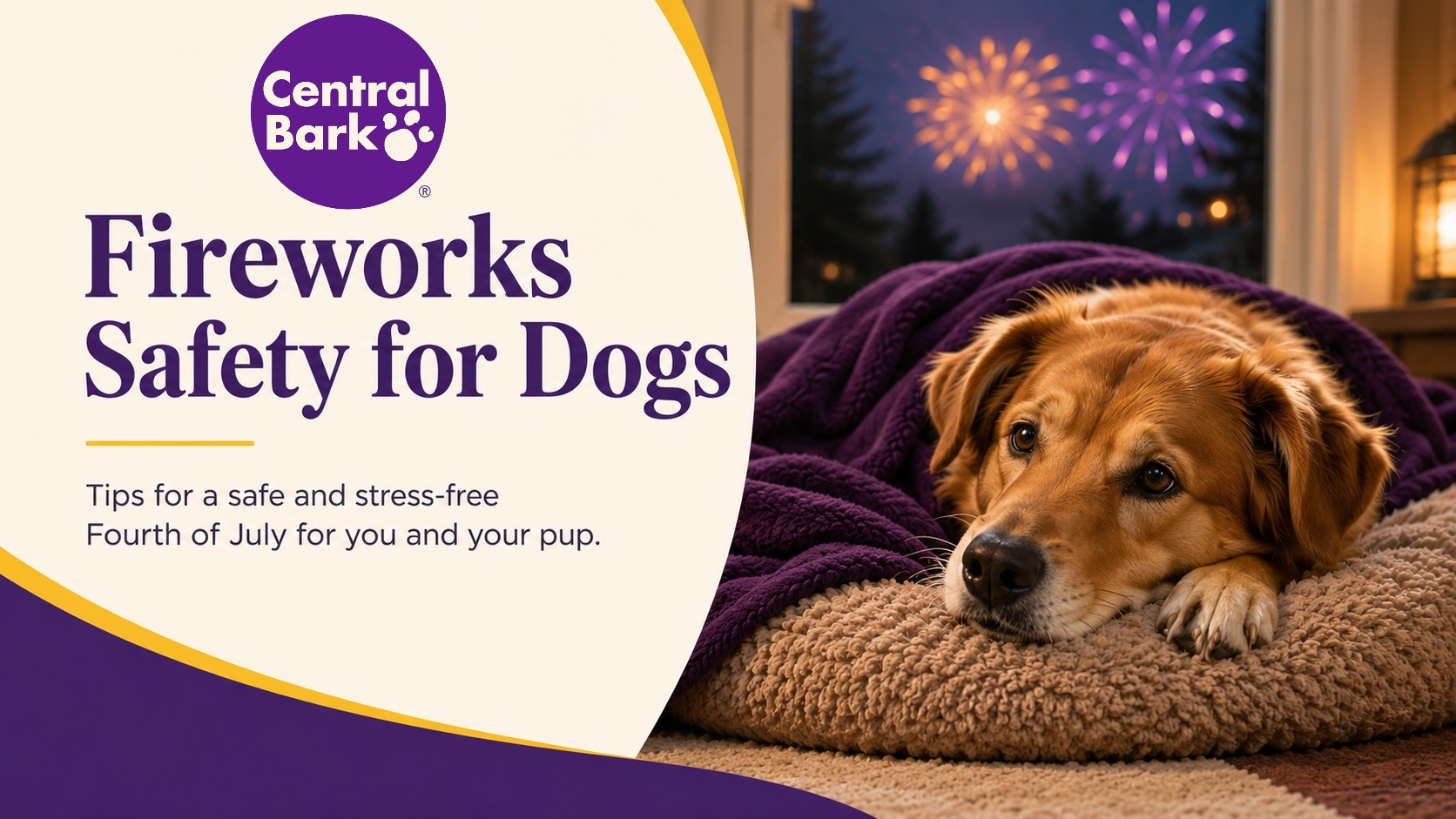
Fireworks can be exciting for people, but for many dogs, the Fourth of July can be one of the most stressful times of the year. Loud booms, bright flashes, unfamiliar guests, cookouts, travel plans, and changes in routine can all feel overwhelming.
At Central Bark Rochester, MN, we want to help families prepare early with practical fireworks safety tips for dogs, whether your pup will be home with you or staying with us while you travel.
Why Fireworks Can Be So Stressful for Dogs
Dogs experience the world differently than we do. Their hearing is more sensitive, and fireworks are unpredictable. Loud noises, sudden flashes, vibrations, and unfamiliar smells can make dogs feel unsafe.
Signs of fireworks stress may include:
- Pacing or restlessness
- Hiding
- Panting or drooling
- Barking or whining
- Shaking
- Trying to escape
- Refusing food or treats
The American Veterinary Medical Association notes that fireworks and other Fourth of July traditions can be frightening and even dangerous for pets, making preparation especially important.
Prepare Before the Fireworks Start
The best fireworks safety plan starts before the first boom.
A few days or weeks ahead of time:
- Make sure your dog’s ID tags and microchip information are current
- Take walks earlier in the day before fireworks begin
- Create a quiet, comfortable indoor space
- Use familiar bedding, white noise, fans, or calming music
- Keep doors, windows, and gates secured
- Talk with your veterinarian ahead of time if your dog has severe noise anxiety
Avoid waiting until your dog is already panicking. Preparation gives them the best chance to feel safe.
Keep Dogs Away From Fireworks and Cookout Hazards
Even calm dogs should not be taken to fireworks displays. The noise and crowds can be overwhelming, and frightened dogs may bolt unexpectedly.
Fourth of July gatherings can also bring food and safety risks. Keep dogs away from:
- Alcohol
- Skewers and corn cobs
- Fatty grill scraps
- Chocolate or desserts
- Fireworks debris
- Glow sticks or party favors
The ASPCA warns that Fourth of July foods and festivities can create hazards for pets, so supervision and prevention are key.
Boarding During Fireworks Season
For some families, boarding is the best option during Fourth of July travel. The key is planning ahead.
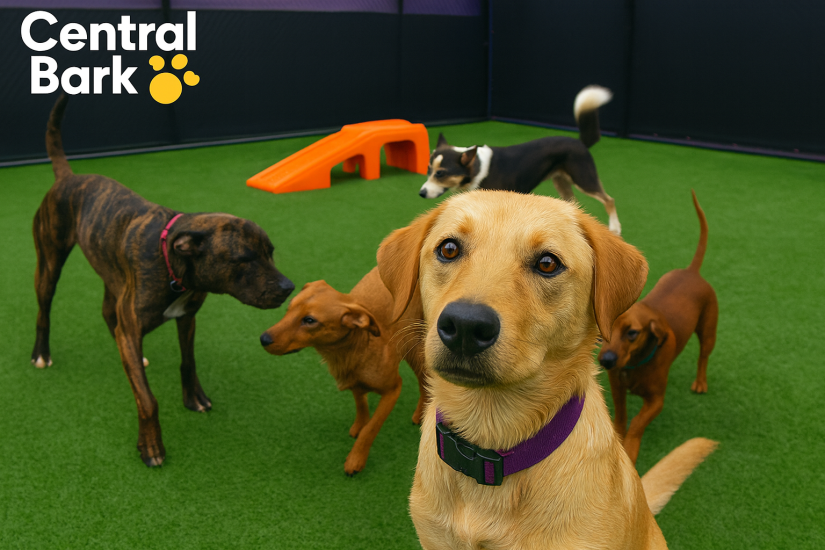
At Central Bark Rochester, MN, we offer Sleepovers for dogs who regularly attend our daycare program. These dogs already know our team, routines, and environment, which can help create a more familiar boarding experience.
For dogs who do not attend daycare, are not comfortable in group settings, or benefit from one-on-one care, our Stay & Play option provides a quieter, individualized experience in a separate area of the building with one-on-one outings from our team.
Whether your dog is joining us for a Sleepover or Stay & Play, we recommend booking early, especially around holidays.
Add Enrichment for Extra Support
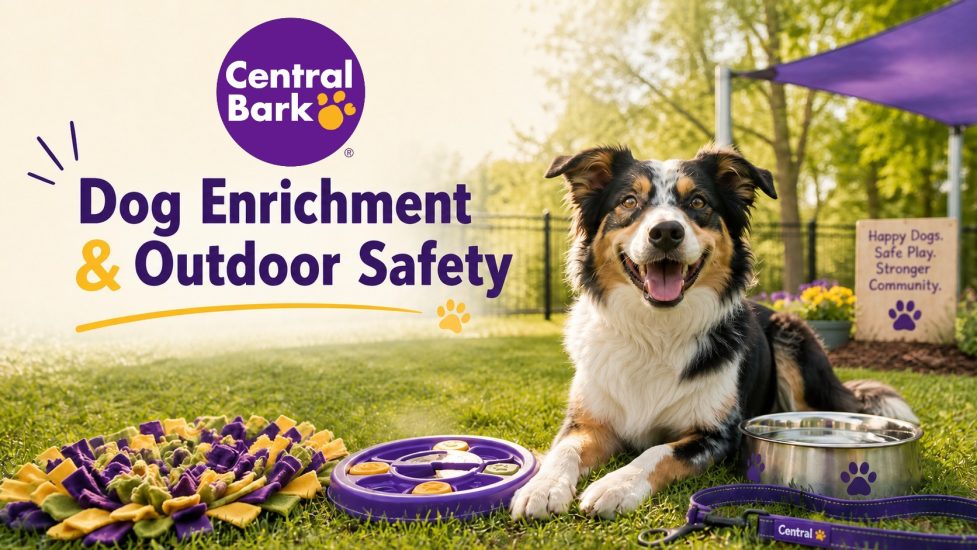
Boarding can be mentally and physically stimulating, especially during busy holiday periods. Adding a one-on-one enrichment session can provide structured mental stimulation, positive interaction, and a fun break in your dog’s day.
Enrichment can help dogs:
- Use their brains
- Build confidence
- Enjoy positive one-on-one attention
- Break up the day with meaningful activity
For many dogs, this added structure can make their stay more enjoyable.
What to Bring for Boarding
To help your dog feel more comfortable, bring:
- Regular food
- Medications, if needed
- Clear feeding and care instructions
- An emergency contact who will be available
- One or two safe comfort items from home, such as a blanket or small bed that they can have unsupervised in their den or crate.
Familiar smells can be comforting, as long as the item is safe for your dog to have unsupervised in their crate or den overnight.
Expect a Decompression Period After Boarding
Even with excellent care, boarding is still a change in routine. After a holiday stay, your dog may need a day or two to readjust at home.
It’s normal for dogs to:
- Sleep more than usual
- Seem a little “off”
- Be extra clingy or extra tired
- Need a return to their normal routine
Quiet time, familiar routines, hydration, and rest can help your dog settle back in.
Final Thoughts
The Fourth of July can be fun for families, but it can also be stressful for dogs. With early preparation, safe routines, and the right care plan, you can help your dog feel more secure during fireworks season.
Whether your pup is staying home with you, joining us for a familiar Sleepover, or enjoying individualized Stay & Play care, Central Bark Rochester, MN is here to support safe, thoughtful, and compassionate care for dogs during the holiday season.
References
- American Veterinary Medical Association (AVMA). July 4 Safety. https://www.avma.org/resources/pet-owners/petcare/july-4-safety
- ASPCA. Fourth of July Safety Tips. https://www.aspca.org/pet-care/general-pet-care/fourth-july-safety-tips
- American Kennel Club (AKC). How to Help Keep Your Dog Safe on July Fourth. https://www.akc.org/expert-advice/health/keep-dog-safe-july-fourth/
- AAHA. Stars, Stripes, and Safety: July Fourth Pet Safety Tips. https://www.aaha.org/resources/stars-stripes-and-safety-july-fourth-pet-safety-tips/