Dogs can develop behavior issues when routines change, needs go unmet, or stress builds from their environment. Sometimes barking, jumping, or chewing is simply a dog’s way of asking for guidance and enrichment. A highly often effective approach is positive reinforcement training, which rewards the choices you want and helps pups learn calmly.
In this blog, we’ll explore positive reinforcement dog training and how rewards-based methods can shape everyday behavior. We’ll break down what this approach looks like and what the benefits are when you let your dog go through behavioral training. We’ll also touch on some signs when your dog needs to undergo this process, things to not do when training your dog, and simple training techniques to use at home.
What Is Positive Reinforcement Training?
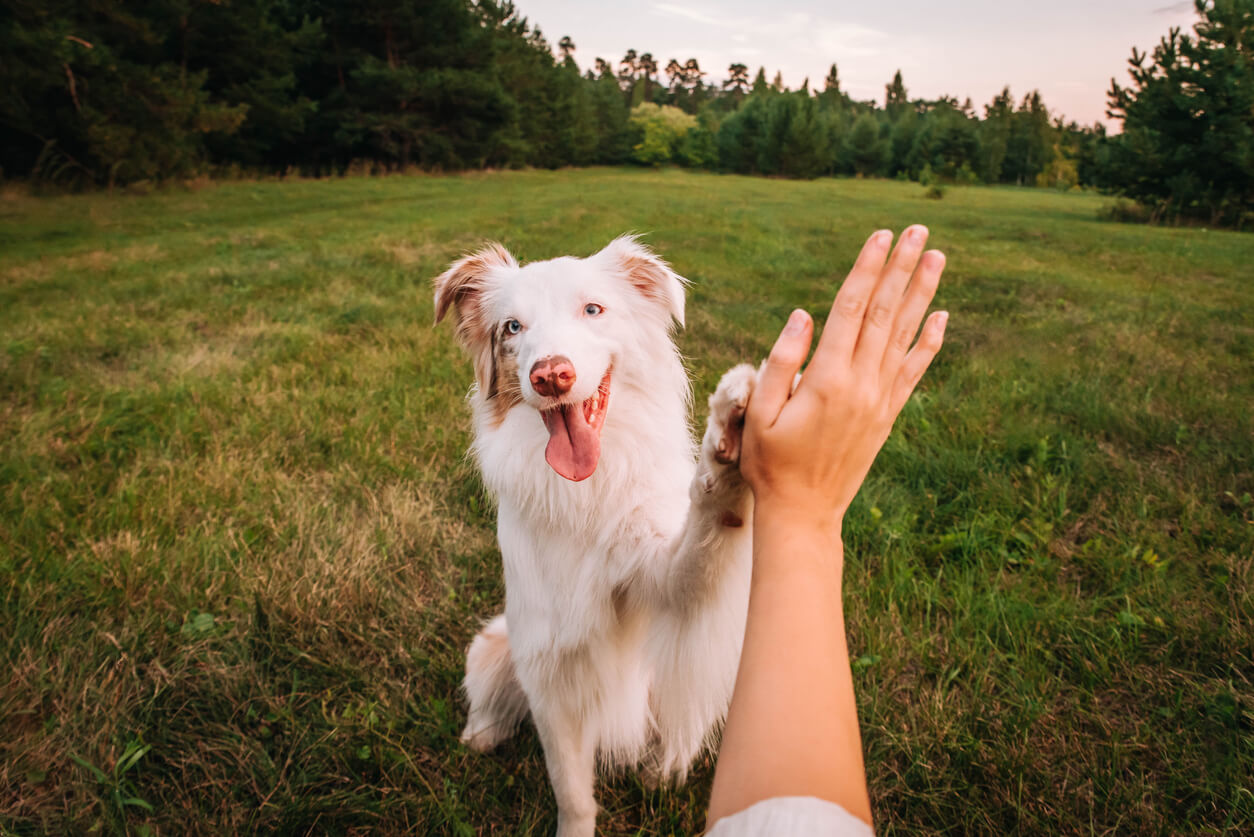
Positive reinforcement training is a reward-based approach that teaches dogs which behaviors earn something they enjoy. When your dog sits, comes, or settles, you immediately reinforce it with training treats, praise, or play. Over time, those rewarded choices become habits because your dog learns what works and feels good.
This method focuses on guiding dogs toward success instead of relying on intimidation or discomfort. Clear timing and consistency help dogs connect the behavior to the reward, even in the presence of distractions. As some dogs gain confidence, they offer calmer, more cooperative responses that support good manners at home and in public.
Benefits of Using Positive Behavioral Training for Dogs
Positive reinforcement pet training helps dogs learn with clarity, encouragement, and rewards that make sense to them. If you have doubts about putting your dog through one, below are several benefits that may change your mind:
Builds Trust and a Sense of Belonging
Positive behavioral training rewards choices dogs make, so learning feels safe and predictable. That predictability helps your dog trust your guidance and relax. With trust in place, your dog is more ready to try new skills.
Makes Learning Clearer and Faster
Rewards highlight exactly which dog behavior you want, especially when your timing is consistent. Your dog can connect the action to the outcome without confusion. Clear feedback often leads to quicker progress with everyday manners.
Boosts Confidence Through Success
Positive reinforcement focuses on what your dog can do right now, then builds gradually. Each small win helps your dog feel capable and more willing to engage. Confidence can support calmer behavior in new environments.
Creates Longer-Lasting Habits
Behaviors that consistently earn rewards are more likely to be repeated over time. With practice, your dog begins offering good choices even before you ask. That reliability grows when you gradually vary rewards and keep training sessions fun.
Strengthens Communication Between You and Your Dog
Reward-based training teaches your dog that paying attention to you is worthwhile. As your dog learns cues, you gain practical ways to redirect energy into appropriate outlets. This teamwork can make daily routines smoother and more enjoyable.
Supports Calmer Social Skills Around People and Dogs
You can reward checking in, loose body language, and calm greetings during controlled interactions. Those reinforced moments help your dog practice making good choices in the face of distractions. Positive reinforcement pet training is especially useful for guiding reactive dogs toward safer, more comfortable encounters.
Fits Many Dogs, Ages, and Goals
Because it’s flexible, you can tailor rewards and steps to your dog’s preferences and current skill level. Puppies, adolescents, and seniors can all benefit from short, engaging sessions. While no method guarantees outcomes, consistent practice can support steady improvement.
How Early Can Your Dog Go Through Positive Reinforcement Pet Training?
Dogs can start positive reinforcement pet training as soon as they come home, even at eight weeks old. At that age, keep sessions short and playful, rewarding attention, name recognition, and gentle handling. Early practice builds confidence and helps puppies form strong habits before unwanted behaviors become routine.
Once your puppy has received its initial vaccines after a veterinarian check-up, you can introduce safe social experiences in controlled, low-stress settings. Reward calm greetings, brief check-ins, and polite play so your puppy learns that good choices earn good things. As your dog grows, you can gradually add distractions while keeping rewards consistent and encouraging.
Signs Your Pup Needs Expert Dog Obedience Training
Recognizing early bad behavioral signs can help your pup get support before frustration becomes a habit. Below are common clues that positive reinforcement pet training from a dog trainer could help make daily life more manageable:
Cues Work at Home But Fall Apart Elsewhere
Your pup may sit and stay in the living room, but ignore you on walks or when visitors are around. That pattern often means distractions are overwhelming. An expert uses positive reinforcement techniques to help rebuild reliability with structured, reward-based steps.
Jumping, Mouthing, or Overexcitement Is Getting Worse
If greetings feel chaotic, your pup might be practicing rude habits that keep paying off. Repetition can strengthen jumping or nipping, especially during adolescence. A trainer can teach alternative behaviors and reward calm, polite interactions.
Leash Walking Feels Like a Constant Tug-of-War
Pulling, lunging, or spinning on leash can make walks stressful for both of you. These behaviors often come from excitement, fear, or a lack of loose-leash skills. Professional coaching can improve your dog’s focus and teach it what earns forward motion.
Barking or Reactivity Is Hard to Interrupt
If your dog barks at dogs, people, or noises and struggles to settle, they may need a clearer plan. Reactivity can escalate when dogs rehearse the same responses each day. A trainer can guide you in rewarding good behaviors at a safe distance.
Chewing or Destructive Behavior Happens Regularly
Ongoing chewing, counter-surfing, or shredding can signal boredom, stress, or unmet enrichment needs. Management helps, but training teaches your dog what to do instead. Expert support can pair positive reinforcement with appropriate outlets and routines.
Your Pup Seems Uncomfortable Around Dogs or People
Avoidance, stiff body language, growling, or snapping can indicate your dog is feeling unsure. It’s important to address this early with gentle, controlled social learning. An experienced professional can create a positive reinforcement plan that prioritizes comfort and safety.
Understanding Reactive Dogs and Why They’re Misunderstood
Dogs who growl, lunge, or show signs of aggression are often communicating discomfort and asking for more space. With positive reinforcement pet training, you pair the sight of dogs or people with treats, verbal praise, or play. Starting at a distance where your pup can still think and eat helps calm things down and make choices more easily.
As they improve, reward check-ins, loose-leash steps, and choosing to turn away, then gradually close the gap. Planned setups, predictable routes, and, when appropriate, muzzle conditioning can add safety while confidence grows. Central Bark Durham’s enrichment-focused trainers can tailor a reward-based plan that supports calmer, safer interactions, with no guarantees.
What Not to Do When Training Dogs With Behavioral Problems
When a dog is struggling, you may be tempted to reach for quick fixes that seem helpful in the moment. However, some common responses can actually add stress and make the behavior harder to change. Here are a few training missteps to avoid with your pup:
- Don’t Yell or Use Harsh Body Language: Raising your voice can make a worried dog feel less safe, leading to increased barking, hiding, or snapping. Stay calm and clear, so your dog can focus and try again.
- Don’t Rely on Intimidation or Positive Punishment: Methods based on positive punishment may interrupt behavior, but they can also add fear and reduce trust. Reward the choices you want, and guide your dog toward easier options.
- Don’t Train When Your Dog Is Overwhelmed: If your dog is already lunging, freezing, or panicking, learning is unlikely in that moment. Create distance, let them settle, and reward calm check-ins.
- Don’t Remove Attention Without Teaching an Alternative: Avoid negative punishment, such as taking away attention or play, without teaching what to do instead. Show an alternative, then reinforce it immediately so your dog understands the path to success.
- Don’t Be Inconsistent With Rules and Cues: Inconsistent rules make dogs guess, and guessing often turns into frustration or bigger reactions. Pick simple verbal cues everyone uses, then reward follow-through.
- Don’t Skip Enrichment and Expect Behavior to Improve: Skipping enrichment can leave extra energy looking for an outlet, often manifesting as chewing or barking. Add sniff walks, puzzle toys, and short training games to meet those needs.
- Don’t Use Negative Reinforcement as a “Motivator”: Negative reinforcement, where pressure stops only after compliance, can increase stress and worsen behavioral concerns. Get help from a qualified reward-based trainer for a plan that supports safety and comfort.
Simple Ways to Improve Your Dog’s Behavior at Home
Acceptable behavior at home usually comes from small, consistent habits that help your dog understand what earns rewards. Try these simple, everyday steps to build calmer routines and stronger manners:
Reward the Behavior You Want to See
Keep treats or a toy handy and reward calm choices, such as sitting, settling, or walking past distractions politely. Over time, those rewarded habits become more frequent.
Create a Predictable Daily Routine
Feed, walk, train, and rest around the same times so your dog knows what to expect. That predictability can reduce stress and support calmer behavior.
Meet Enrichment Needs Every Day
Add sniff walks, puzzle feeders, and short training games to give your dog healthy mental work. A fulfilled dog is often less likely to bark, chew, or pester.
Practice Short, Consistent Training Sessions
Train for one to three minutes, then take a break so your dog stays engaged and successful. Repeat throughout the day to build skills without frustration.
Manage Temptations Before They Become Habits
Use baby gates, closed doors, and chew toys to prevent counter-surfing or destructive chewing. Good management helps your dog make better choices.
Reinforce Calm Greetings and Settling
You can use basic commands like asking for a sit or four paws on the floor, then reward with attention or belly rubs when your dog stays relaxed. Consistent practice turns greetings into a skill instead of chaos.
Prevent Your Dog From Socializing With Aggressive Dogs
Skip crowded dog parks and choose calm, well-matched playmates, especially when you’re socializing an aggressive dog or a reactive pup. If you notice stiff bodies, staring, or lunging, calmly add distance and reward your dog for checking in.
Looking for Enrichment-Focused Training Services in Durham? Talk to Central Bark Today!
If you’re wondering where you or other pet parents can start, Central Bark Durham offers professional, positive reinforcement pet training that keeps your dog’s comfort front and center. We use rewards, consistency, and enrichment to build real-life skills, so progress feels steady and easy to continue at home. Whether you’re working on puppy manners or more challenging behaviors, we’ll help you create a plan that fits your dog and your routine.
Reach out to Central Bark Durham today to schedule a training consultation and take the next step toward calmer, more confident behavior for your animal companions.